Weaponised Pollinator Contracts: The Pheasant Now Holds the Gun
Ernest F. Pembroke writes on pollination, agriculture, and rural technology.
In the grand old tradition of driven pheasant shoots, the fat cats in their tweeds stand at the pegs, guns at the ready, while the beaters flush out the pheasants for easy pickings. But what if the pheasants turned the tables? What if they claimed the peg, shouldered the Purdey, and sent the toffs scarpering?
That’s the revolution brewing in pollination contracts—a world where agri-tech giants like BeeHero and Beewise lord over the little guys, charging a king’s ransom for tech that barely scratches the surface of possibility. Small beekeepers, the pheasants in this metaphor, haul their hives for pollination gigs, only to pocket scraps after costs. Enter the disruptor: advanced, affordable AI that arms the pheasants to shoot this brace.
The Brokered Hive: Data Without Power
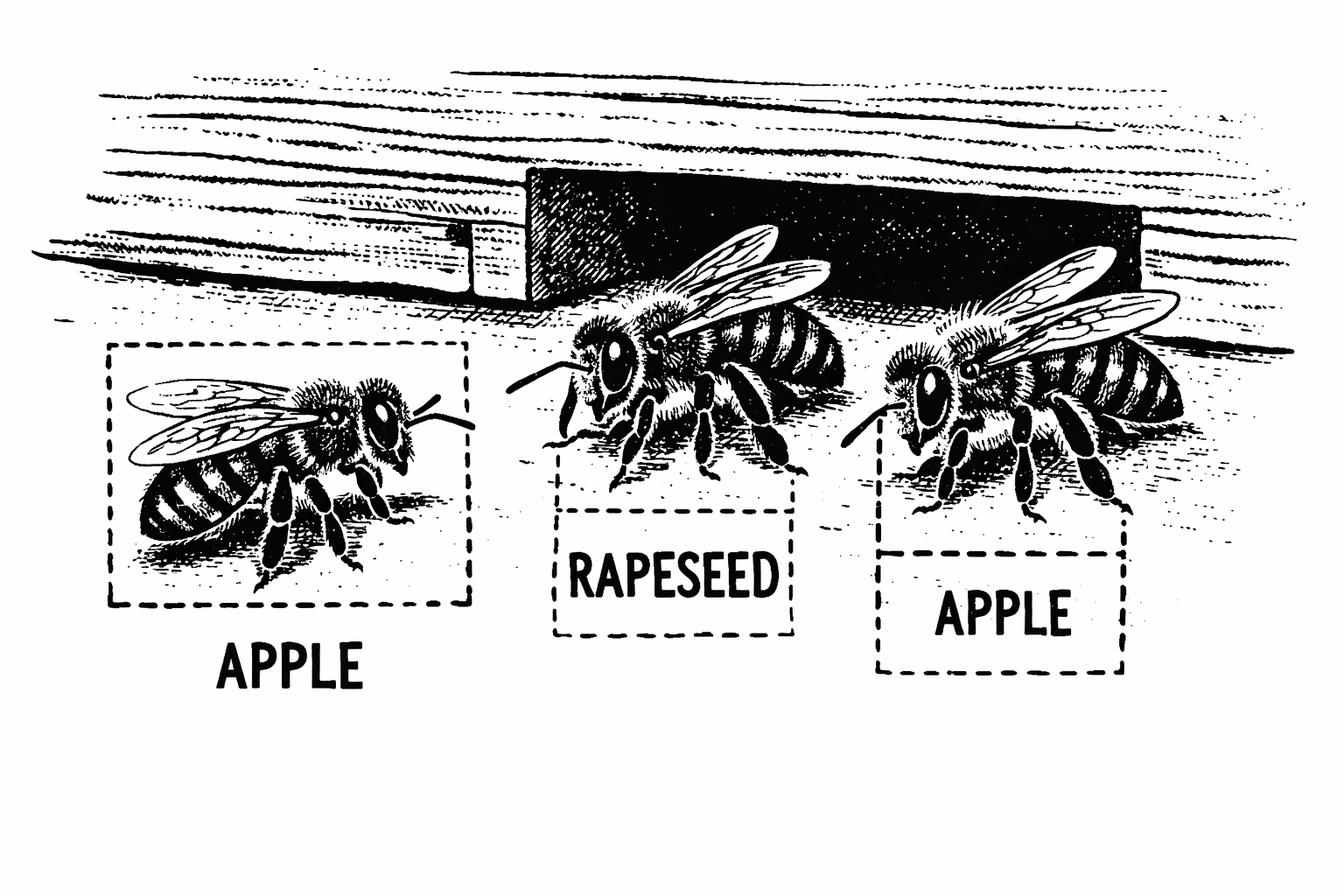
Take BeeHero, the self-proclaimed “world’s leading provider of pollination services,” who dangle “low-cost” sensors to beekeepers—but some might see the use of their sensors as entrapment of the contracting relationship, where data plays a major role and leads to sidelining the keepers themselves. Their Pollination Insight Platform promises real-time bee activity monitoring, but many have characterised these systems as relying primarily on indirect signals such as vibration and movement proxies, which leads to the opinion that it doesn’t distinguish between active crop pollination and transient foraging behaviour. This and the uncomfortable twist in your trousers knowing it’s the growers and farmers footing hundreds per acre to a broker whilst the beekeepers see diminishing returns. You pay a premium to hear vibrations in your field, and don’t even know if the bee is landing on your plants or just passing by to the dandelions as they often do. Beewise, meanwhile, peddles its robotic BeeHome as if it’s a driven partridge shoot at Gleneagles with some operators describing costs in the hundreds per month plus a hefty multi-thousand delivery sting. It’s touted as a saviour for colony collapse, yet beekeepers have expressed that the economics of such high-tech hives may be harder if not impossible to justify for nearly all apiaries. For the average beekeeper, pollination contracts—like those for almonds—fetch a few pints per hive, but after trucking costs, labour, and taxes, net profits dwindle to now avoiding the pub for the alternative of tap water and potatoes, as it barely barely covers the cost to heat water for tea after a month’s graft. These fat cats feast on the margins, leaving scraps for the independents who shoulder the real risks of colony losses whilst being overlooked for not having any tech.
The Golden Hive That Costs a Fortune
A further consequence of this model emerges quietly over time. As brokers and intermediary platforms accumulate contracts, contacts, and historical performance data, growers increasingly default to those intermediaries as the perceived route to pollination, rather than dealing directly with apiaries themselves. This is not necessarily the result of coercion, but instead of forced convenience and habit: once a broker becomes the point of coordination, the beekeeper’s name slowly drops out of the conversation. The danger for independents is that, having ceded visibility and relationships, they find themselves tied into arrangements where freedom of negotiation is severely limited, margins are predefined, and rewards are a fraction of the value ultimately brokered. What begins as access can harden into dependence, where the beekeeper supplies the risk, labour, and livestock, while the broker controls the contract and the terms. It is a subtle form of enclosure — not a fence built overnight, but a field gradually claimed, leaving the man with the bees working land he no longer truly owns.
Gravity, Not Villains
What matters here is not villainy, but gravity. When pollination shifts from a relationship built on the beekeeper’s judgement and risk, to one mediated by platforms, dashboards, and aggregated data, the centre of power moves with it. Large technology-led providers do not need to exclude small beekeepers for the outcome to be exclusionary; the economics do the work quietly. Growers feel trapped into contracting systems rather than stewards, predictability rather than people, and scale rather than skill. In that environment, independent operators without access to comparable data, tooling, or visibility find themselves increasingly price-compressed, interchangeable, and spoken for rather than spoken with. The result is a slow narrowing of opportunity — fewer direct contracts, less negotiating leverage, and a creeping sense that the man with the bees is no longer in charge. This is how trades do not end with a bang, but with paperwork.
When the Pheasants Take the Peg
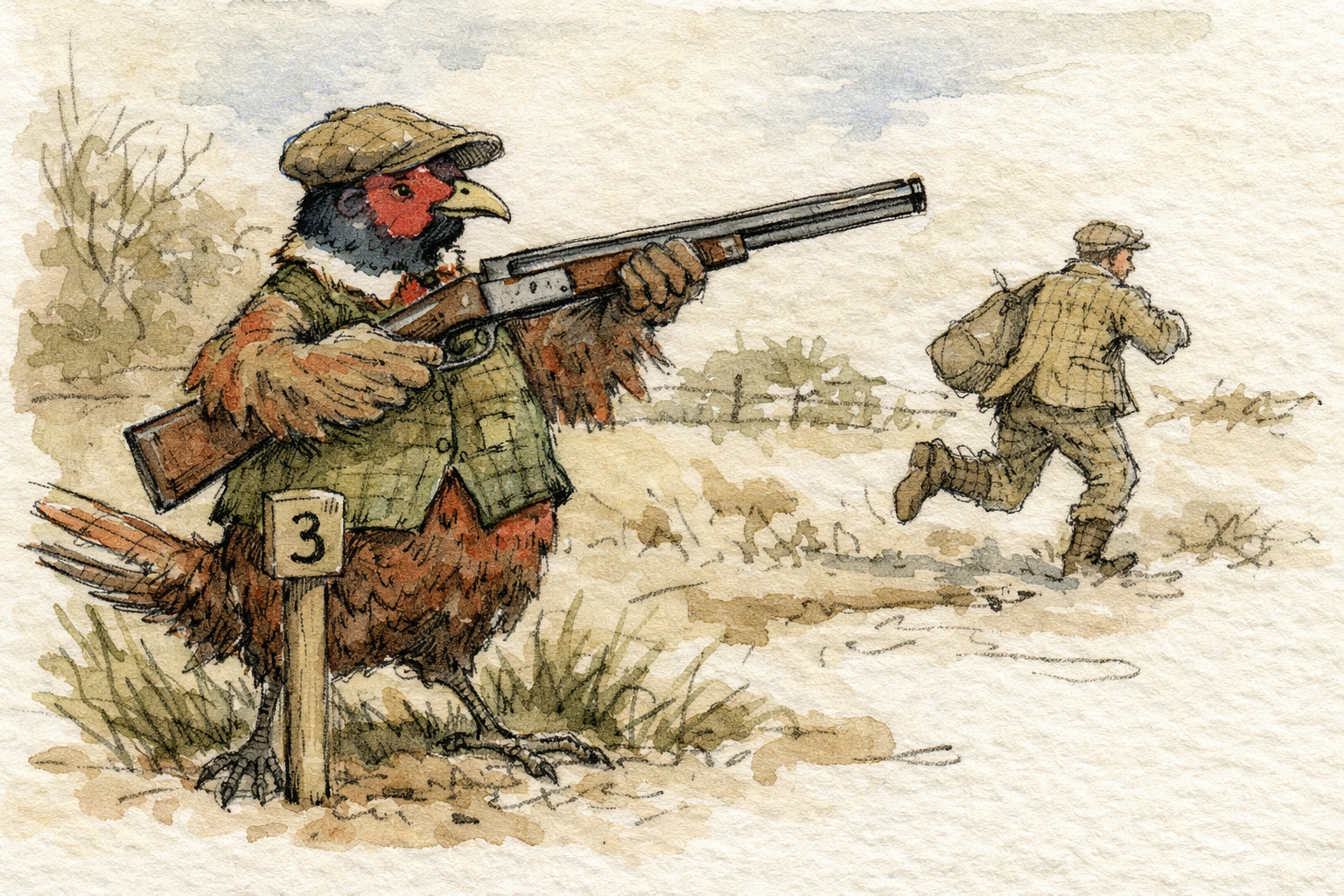
But here’s the twist: What if the pheasants got the gun? What if the pheasants took the peg? Tools like the non-invasive Pollen Identification Camera (PIC) and other multi-sensor systems offered by Honey Tree Farms flip the script, delivering a more accessible, non-invasive alternative focused on the new-to-market novel pollen type identification, forage mapping, and anomaly detection — capabilities often unavailable or economically impractical for small operators using existing platforms. These empower small beekeepers to now have the means to charge premium prices and offer high-tech pollination services directly, armed with data on confirmed pollen types, forage mapping, bee health anomalies, and weather-tied yield predictions that boost crop outputs by revealing unseen ecosystem dynamics.
Cutting Out the Middleman, Taking Back the Margin
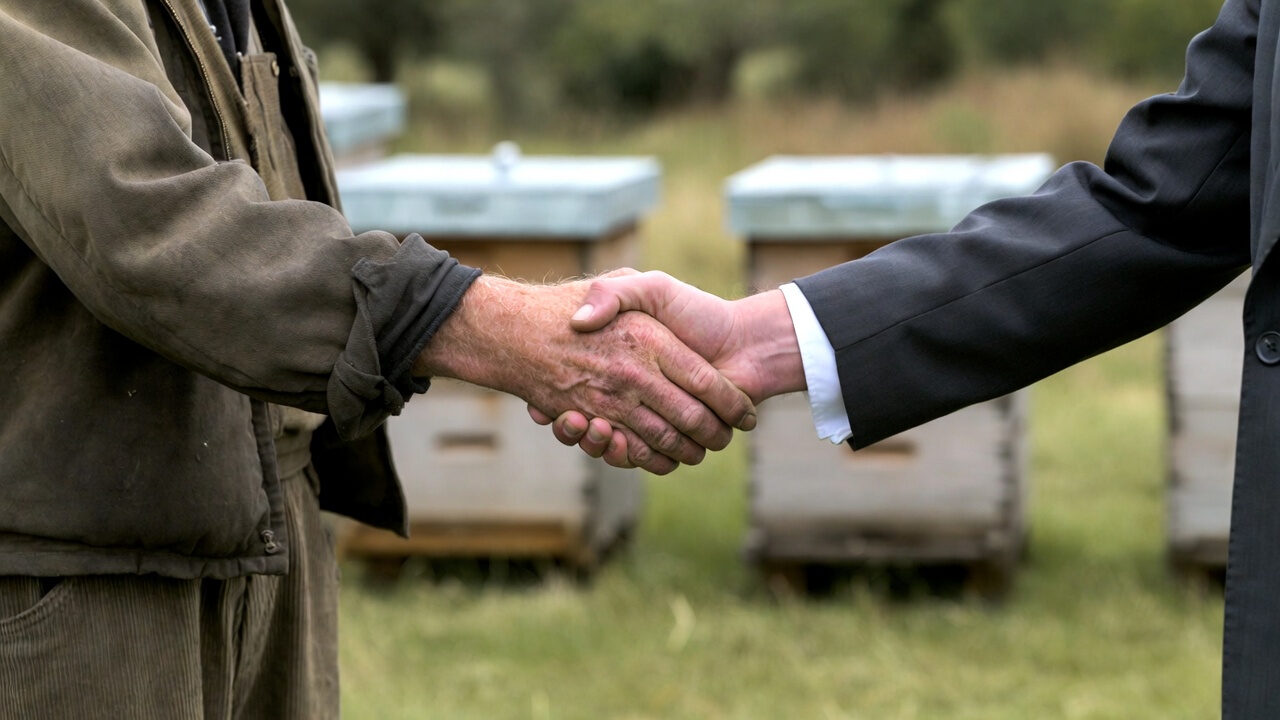
Crucially, this approach allows beekeepers to step back into the direct relationship with the grower, rather than operating through an intermediary that controls pricing, contracts, and data. By holding the same class of insight the broker once monopolised, independents can offer growers comparable assurance and reporting, while pricing their services more competitively by removing the broker’s margin altogether. The result is simple arithmetic: the farmer pays less or the same for better visibility, while the beekeeper earns materially more by keeping the share of value that would otherwise be skimmed off upstream. In doing so, the relationship is reset — from dependency on brokerage to a direct, data-backed partnership where the beekeeper once again sets the terms of his own work. No more mortgage-sized monthly subscriptions for vibration buzz; instead, actionable insights that let independents undercut the giants, turning scraps into sustainable profits. It’s the birds dressing in tweed—feathered small operators, tech-equipped, scaring off the toffs. The peg is open—time to take your shot.
This article represents commentary and opinion on trends in pollination technology and agricultural contracting. Product capabilities, pricing, and outcomes vary by market and deployment. It draws on publicly available information, industry discussions, and general observations; no confidential data was used.