Agri-TechPollinator
Ernest F. Pembroke writes on pollination, agriculture, and rural technology.
One finds that for much of the past century, honey has been peddled largely as a commodity—jars distinguished by hue, region, or some nebulous floral assertion, with the thread connecting hive, landscape, and punter often as tenuous as a spider’s silk. In recent years, however, that has begun to alter rather splendidly. As consumers have sharpened their eye for provenance across the food markets—one thinks of wine, olive oil, and those artisanal cheeses—honey has trodden a similar path: origin matters, and proof of it matters a dashed sight more.
Traceability tools are hastening that evolution by enabling producers to substantiate whence the honey hails and what forage underpins it, rather than leaning on mere trust or time-honoured lore.
The commercial ripple of such validation is becoming ever more apparent at the retail coalface.
Provenance Matters: Honey's Shift from Commodity to Craft
Research into honey pricing consistently demonstrates that verified origin commands a premium. A recent hedonic pricing study published in Sustainability examined consumer responses to traceable honey products and found that origin-certified honeys attracted markedly higher prices than their mass-market counterparts. Certain floral varieties, including dandelion, honeysuckle, and chestnut, were observed to achieve price premiums ranging from roughly fourteen per cent to nearly fifty per cent, depending on the market context and level of verification. Just as importantly, broader surveys indicate that over sixty per cent of respondents would actively scan a QR code to access origin details, while more than three quarters expressed a keen desire for clearer, more detailed provenance data when parting with their coin for honey. In the United States, for instance, single-origin honeys have been known to command premiums of 65-120% over conventional varieties, underscoring the global appetite for authenticity.
What this reflects is not mere novelty, but stout confidence. Consumers are quite prepared to pay a bit more when they can trace where the honey originates, what verdant landscape yielded it, and how that claim is properly backed up.
Technology at the Hive: Verifying Forage, Validating Flavor
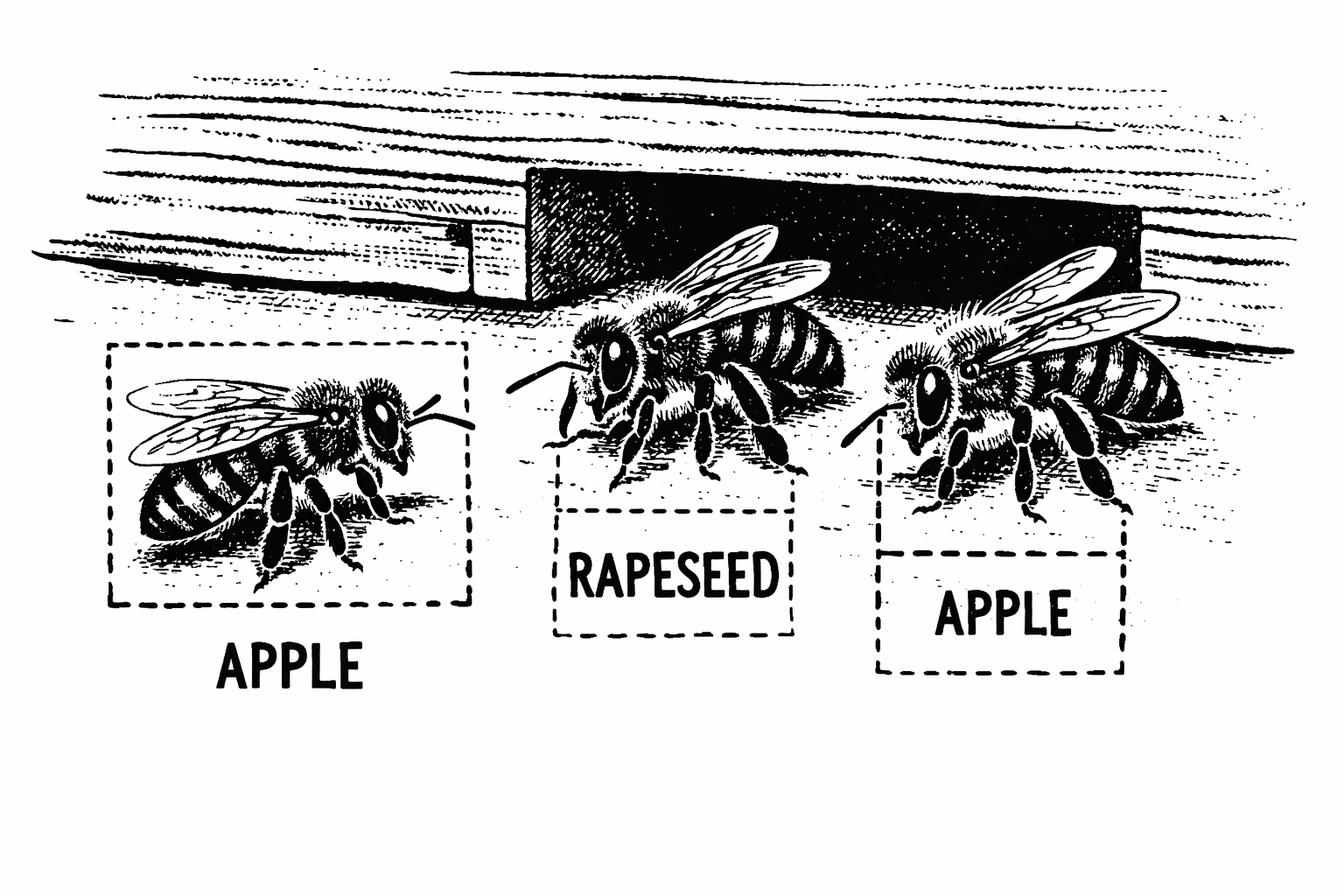
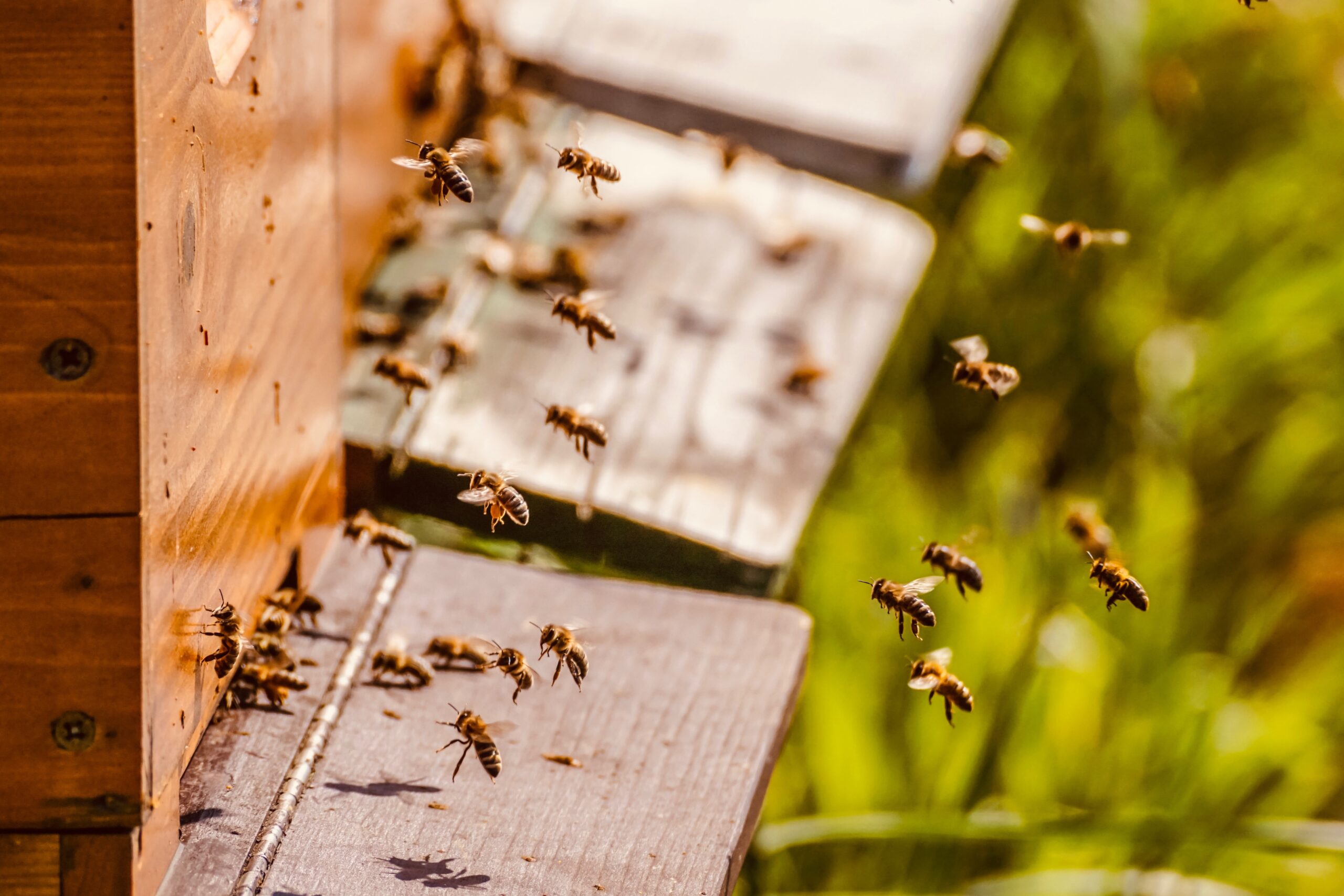
The Pollen Identification Camera (PIC) developed by Honey Tree Farms Ltd is crafted to bolster that transition by tethering honey back to verifiable forage data right at the hive entrance. By discerning pollen types ferried into the hive and tying them to locale and season, the system permits producers to underpin floral and geographic assertions with solid evidence rather than mere surmise. For the beekeeper, this elevates labelling from suggestion to ironclad validation; for the buyer, it transforms a descriptive tag into one that’s thoroughly verifiable.
In practical terms, that validation bestows pricing clout. Beekeepers employing traceability tools are increasingly able to pitch their honey at farm-shop tariffs of seven to nine pounds for an eight-ounce jar, as opposed to five to seven pounds for comparable but untraceable fare. The premium may seem modest per jar, but it accumulates handsomely—even a two-pound uplift across a thousand jars spells a substantial boon to margins, particularly for those small and medium producers who operate beyond the industrial packing behemoths.
Value in Information: Proof, Not Processing, Drives Premiums
What counts here is that the added value springs not from amplified yields or heavier processing, but from information pure and simple. The honey itself remains unaltered; the distinction lies in the producer’s capacity to demonstrate origin in a manner that chimes with contemporary consumer sensibilities.
Traceability also recasts the very manner in which honey is flogged. With QR-linked provenance, location authentication, and forage particulars, producers can engage directly with their clientele—be it through farm shops, bustling markets, or the digital emporium—sans reliance on bland, generic branding. In so doing, honey edges nearer to a single-origin delight, where landscape, season, and stewardship become integral to the value proposition rather than mere backdrop.
From hive to market, the trajectory is as clear as a summer’s morn. As transparency evolves from a niche embellishment to a baseline expectation, tools that substantiate origin will increasingly delineate commodity honey from the premium sort. For producers inclined to chronicle what their bees are truly foraging and where, traceability ceases to be a mere marketing flourish. It is fast becoming woven into the very economics of modern honey production.